
Systematic. Standards-compliant. Defensible.

How we determine damage causes and why our results withstand judicial review.

Methodology in Pictures

From field measurements to laboratory analysis. An overview of the tools and procedures we employ.

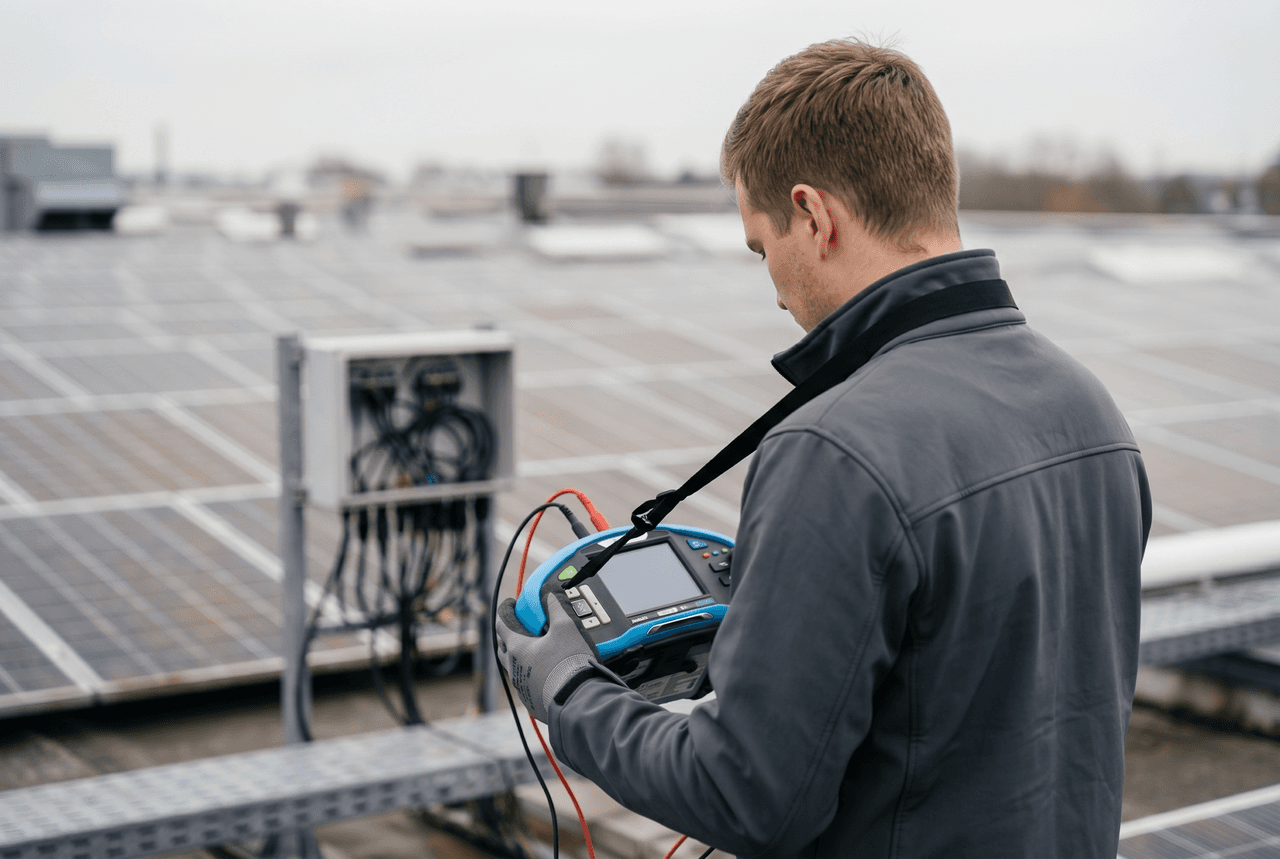
Measurement technology during damage analysis on a PV system

Measurement Technology in the Field

Insulation resistance measurements, I-V curve analysis and continuity tests directly on the system. Each measurement serves a specific verification purpose within the root cause determination.

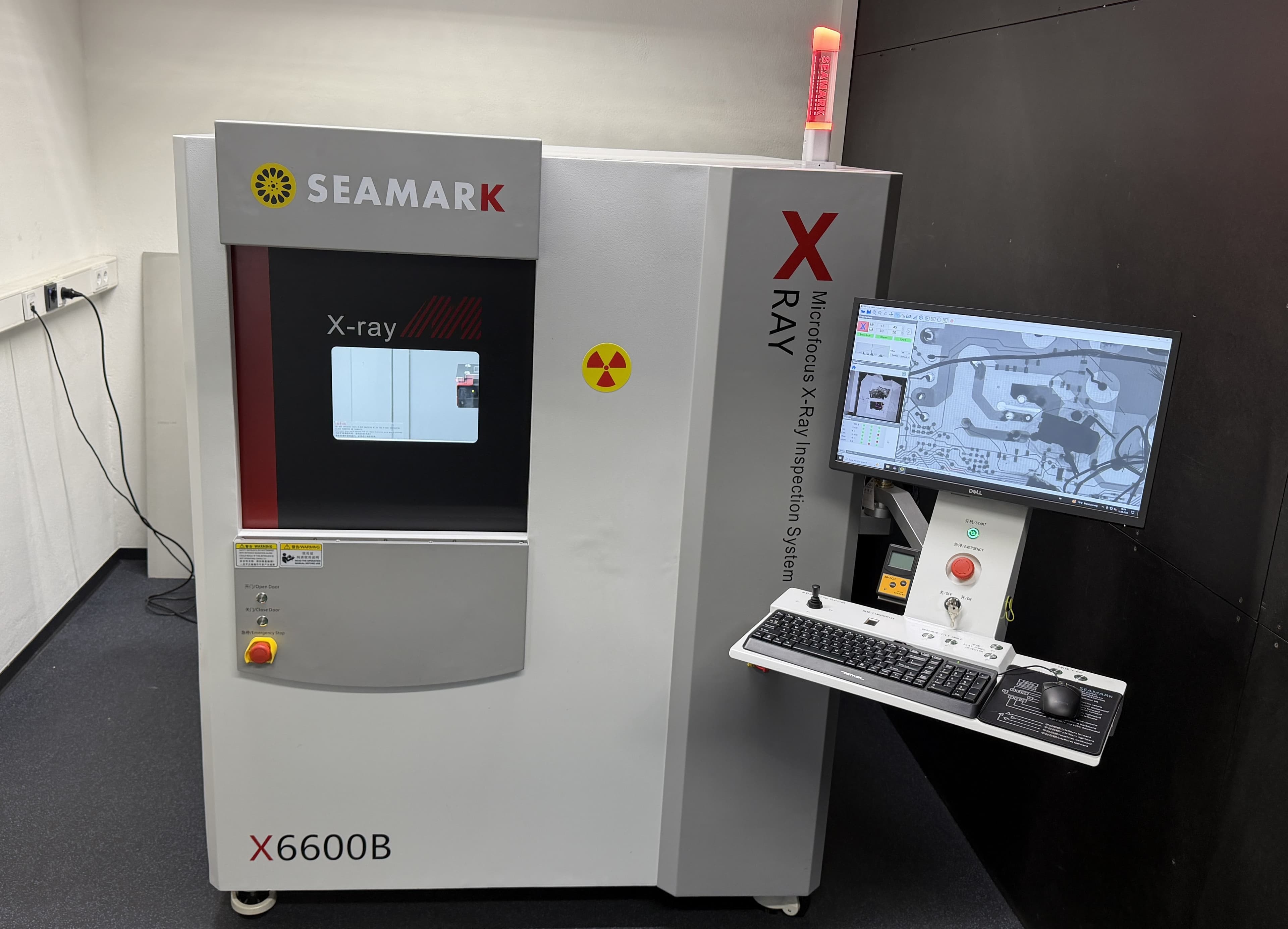
X-ray analysis of an electronic assembly in the laboratory

X-ray Analysis in the Laboratory

Non-destructive testing of electronics and components. The in-house X-ray laboratory of the IGO Group reveals concealed fault patterns.

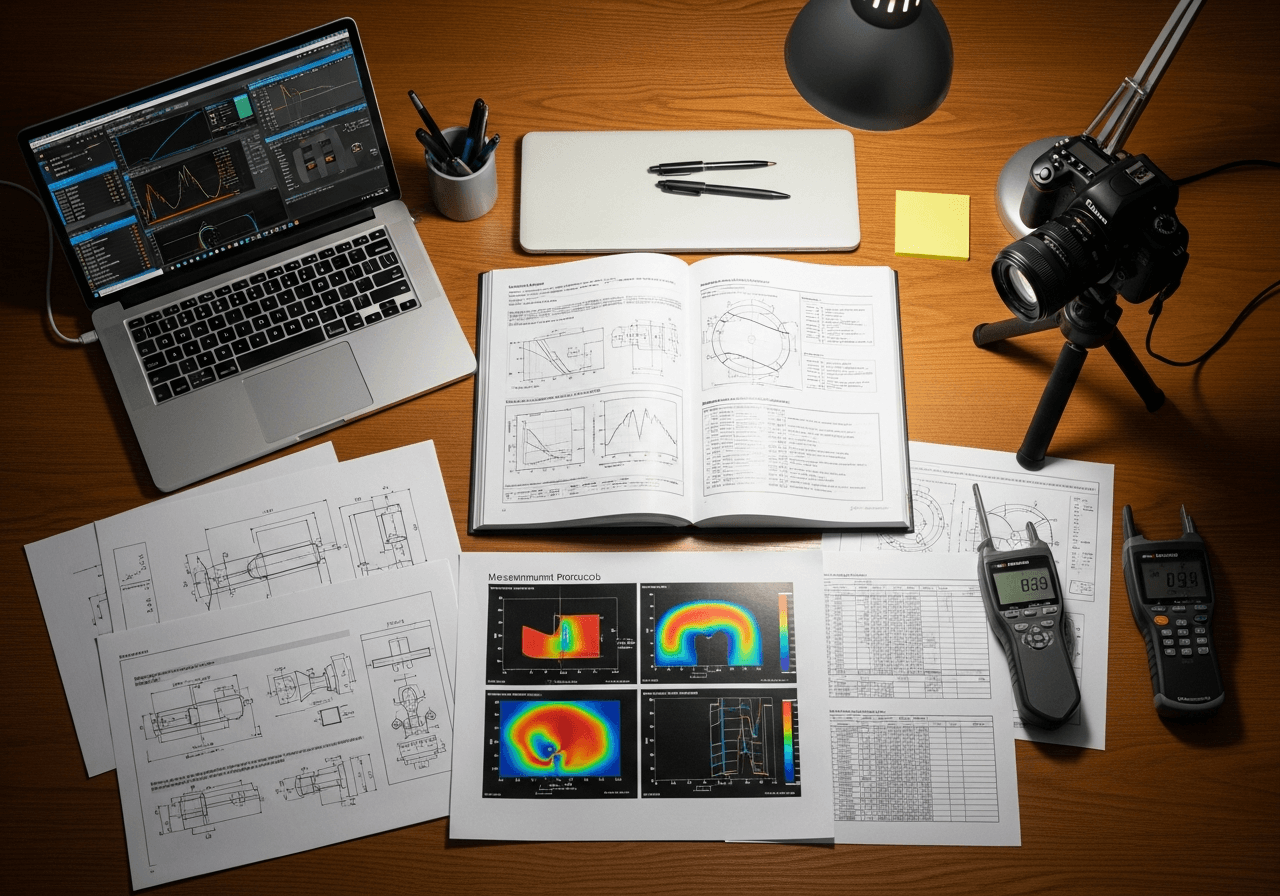
Technical documentation and expert report preparation

Documentation and Report Preparation

Each expert report documents findings, measurement results and the complete exclusion analysis. The line of reasoning is fully traceable for the client.

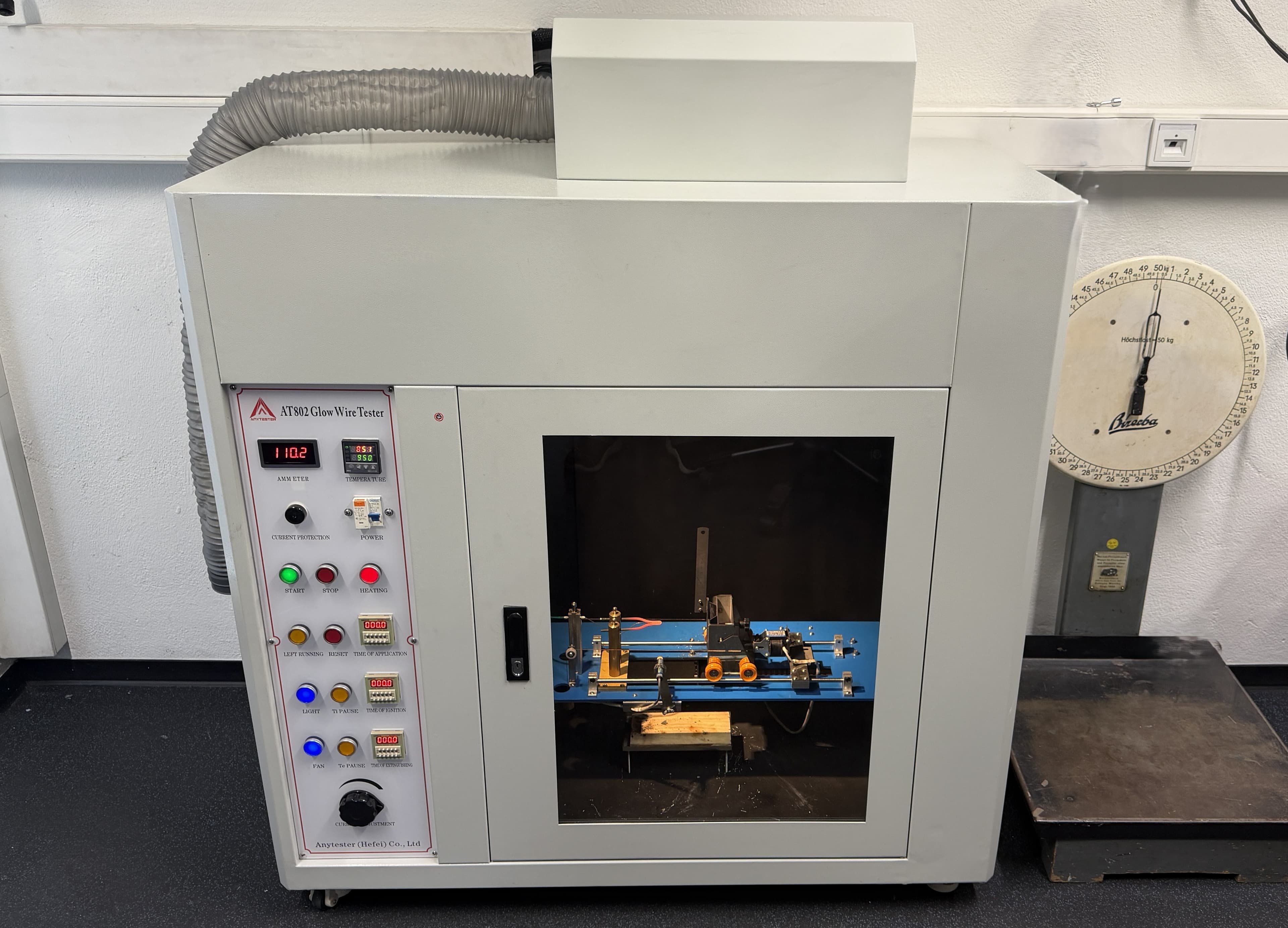
Glow-wire test on a polymer component per DIN EN 60695-2

Glow-Wire Test per Standard

Standards-compliant flammability testing of plastics per DIN EN 60695-2. An integral part of fire cause determination on electrical equipment.

Methodology in Detail

Six principles that guide every analysis we conduct.

01

Systematic Exclusion Methodology

The core of our work is the systematic exclusion methodology. For every loss case, we first identify all technically conceivable causes. These are discussed internally within the team. As a rule, we examine each case from multiple perspectives, evaluate different approaches and compare possible causes, damage mechanisms and contributing factors against one another. The targeted investigation begins only on this basis.

We then examine each conceivable cause individually against the findings on site, the measurement results and the technical documentation. Causes that are incompatible with the findings are excluded with stated reasons. At the end of this process, the cause or combination of causes that is consistent with all observed traces and findings remains.

This approach differs from a simple plausibility assessment. We do not name the most probable cause. Instead, we demonstrate why all other causes can be ruled out. The result is a root cause determination that withstands judicial review.

02

Standards-Based Assessment

Every assessment is based on the recognised rules of technology. Depending on the system type and damage pattern, we apply the relevant standards and guidelines: DIN, VDE, IEC, EN, VdS and others. The standards-compliant assessment sets the benchmark against which we measure the condition of the system, the quality of the installation and the effectiveness of the protective measures.

We have direct access to the current technical standards and continuously track changes in our specialist fields. Our assessments therefore reflect the current state of the art at all times.

03

Measurement Technology and Laboratory Analysis

On-site evidence collection is carried out with our own measurement equipment. Depending on the damage pattern, insulation resistance measurements, thermography, I-V curve measurements, power measurements, continuity tests and SF6 gas detectors are employed. Where field measurements are not sufficient, we draw on the laboratory facilities of the IGO Group. These include X-ray analysis, microscopic component examination and further material testing.

The results of the measurement investigation feed directly into the exclusion methodology. Each measurement serves a specific verification purpose within the root cause determination.

04

Documentation and Traceability

Our expert reports document every step of the analysis: evidence collection, measurement results, exclusion of the examined causes and the resulting cause determination. The client can follow the entire line of reasoning without needing to bring their own technical expertise.

The photographic documentation is carried out systematically and forms part of every expert report. Every relevant damage pattern, every measurement point and every conspicuous component is photographically captured and referenced in the report.

05

Separation of Primary Damage and Consequential Damage

In claims settlement, the clear separation between primary damage and the resulting consequential damage is of central importance. In every expert report, we clearly distinguish between the actual cause of damage, the damage directly resulting from it and the knock-on effects on other system components or on operations. This differentiation forms the basis for correct cost allocation and for the assessment of recourse claims.

06

Quality Control

Before delivery, every expert report undergoes a final review for consistency and completeness. Through close collaboration with Ingenieurgesellschaft Opp within the IGO Group, a broad spectrum of technical expertise is available for this purpose. This four-eyes principle complements the team-based analysis that accompanies the entire processing workflow.

Questions about our methodology?

We are happy to explain our approach in a personal conversation. Contact us for a non-binding initial consultation.

Get in touch